
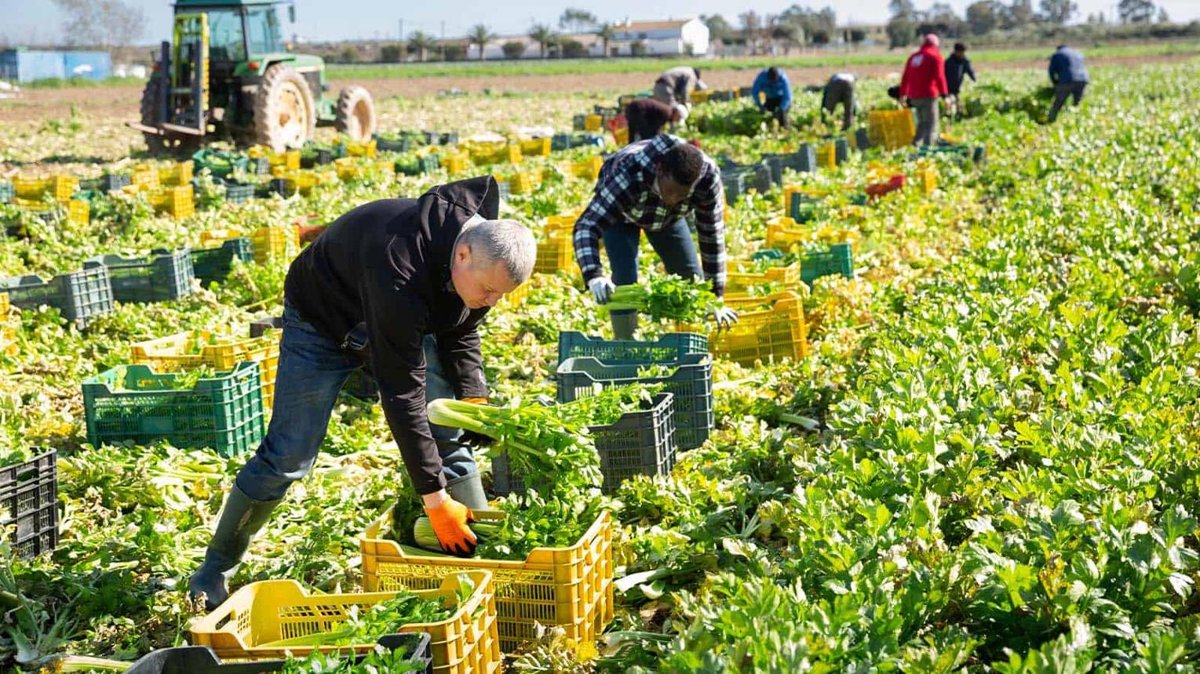
Canada remains one of the best countries in the world for foreigners looking for stable work opportunities abroad. One of the most accessible and in-demand job sectors for international workers is agriculture and farm work.
Due to labor shortages in farming and food production, Canadian employers continue to recruit thousands of foreign workers every year through legal government-approved employment programs.
For Nigerians, Ghanaians, Kenyans, South Africans, and other Africans seeking jobs abroad, farm worker jobs in Canada provide an opportunity to earn a stable income, gain international work experience, and possibly build a long-term future in Canada.
One of the biggest advantages of farm jobs is that many positions do not require university degrees or advanced qualifications. In many cases, employers provide on-the-job training for workers.
In this complete guide, you will learn everything you need to know about farm worker jobs in Canada for foreigners in 2026, including:
- Types of farm jobs available
- Salary expectations
- Visa sponsorship opportunities
- Requirements
- Benefits
- How to apply
- Challenges to expect
- Tips to improve your chances of getting hired
If you are serious about working legally in Canada, this article will help you understand how the Canadian agricultural job system works and how to apply successfully.
Why Canada Needs Farm Workers
Canada’s agricultural industry is extremely important to the country’s economy.
Canadian farms produce:
- Fruits
- Vegetables
- Dairy products
- Poultry
- Livestock
- Grains
- Greenhouse crops
However, many farms struggle to find enough local workers willing to perform physically demanding agricultural jobs.
Several factors contribute to the labor shortage:
- Aging workforce
- Seasonal farming demands
- Expansion of agricultural production
- Rural labor shortages
- Increasing food demand
Because of this, many Canadian employers recruit international workers through legal immigration and labor programs.
Canada’s official employment platform regularly lists agricultural opportunities for foreign workers.
👉 Canada Job Bank
What Does a Farm Worker Do?
Farm workers help perform important agricultural tasks that support food production.
Depending on the farm type, responsibilities may include:
- Planting crops
- Harvesting fruits and vegetables
- Feeding animals
- Cleaning barns
- Operating farm equipment
- Packaging products
- Irrigation work
- Greenhouse maintenance
- Sorting agricultural produce
Farm work is physically active and often involves working outdoors.
Types of Farm Worker Jobs Available in Canada
There are different categories of farm jobs available for foreigners.
Fruit Picker Jobs
Fruit pickers harvest crops such as:
- Apples
- Blueberries
- Strawberries
- Grapes
- Cherries
This is one of the most common seasonal farm jobs in Canada.
Workers may spend long hours picking fruits during harvest periods.
Vegetable Farm Worker Jobs
Vegetable farms hire workers to:
- Plant crops
- Harvest vegetables
- Wash produce
- Package vegetables
Common crops include:
- Tomatoes
- Lettuce
- Cucumbers
- Peppers
- Carrots
Greenhouse Worker Jobs
Greenhouse jobs are becoming increasingly popular in Canada.
Greenhouse workers help maintain controlled indoor agricultural environments.
Tasks may include:
- Watering plants
- Monitoring crop growth
- Packaging produce
- Maintaining greenhouse equipment
Greenhouse work may be less affected by outdoor weather conditions.
Livestock Farm Jobs
Livestock workers care for animals such as:
- Cows
- Chickens
- Sheep
- Pigs
Responsibilities may include:
- Feeding animals
- Cleaning animal areas
- Monitoring animal health
General Farm Laborer Jobs
General farm laborers perform a variety of agricultural tasks depending on seasonal needs.
This may include:
- Harvesting
- Irrigation
- Cleaning
- Packaging
- Equipment assistance
Salary Expectations for Farm Worker Jobs in Canada
Farm jobs in Canada generally offer stable wages compared to those in many developing countries.
Average salary estimates include:
| Job Type | Estimated Salary |
|---|---|
| Fruit Picker | CA$15 – CA$22 per hour |
| Greenhouse Worker | CA$16 – CA$25 per hour |
| Livestock Worker | CA$18 – CA$28 per hour |
| General Farm Laborer | CA$32,000 – CA$55,000 yearly |
Some workers also earn additional income through:
- Overtime pay
- Holiday pay
- Productivity bonuses
The exact salary depends on:
- Province
- Employer
- Experience
- Job type
- Working hours
Can Foreigners Work Farm Jobs in Canada?
Yes.
Canada legally allows employers to hire foreign agricultural workers through approved labor programs.
Many farms recruit workers from different countries every year.
Foreign workers usually require:
- Work permit
- Job offer
- Employment contract
- Valid passport
Government Programs Supporting Foreign Farm Workers
Canada has programs specifically designed to help employers recruit foreign agricultural workers.
Temporary Foreign Worker Program (TFWP)
This program allows Canadian employers to hire foreign workers when local workers are unavailable.
Agricultural employers frequently use this pathway.
Official government information is available here:
👉 Temporary Foreign Worker Program
Seasonal Agricultural Worker Program (SAWP)
This program supports seasonal farm labor recruitment.
It is commonly used for:
- Fruit harvesting
- Vegetable farming
- Seasonal crop production
Basic Requirements for Farm Worker Jobs
One major reason farm jobs are attractive is that the entry requirements are generally simpler than those of professional jobs.
However, employers still expect certain qualities.
Physical Fitness
Farm work can be physically demanding.
Workers may:
- Lift heavy items
- Bend frequently
- Work outdoors for long hours
- Stand for extended periods
Good physical health is extremely important.
Ability to Work Outdoors
Many farm jobs involve outdoor work in:
- Sun
- Rain
- Cold weather
- Hot temperatures
Workers should be prepared for changing weather conditions.
Basic English Communication
Many employers prefer workers who can understand:
- Instructions
- Safety rules
- Workplace communication
You do not necessarily need advanced English skills, but basic communication helps significantly.
Teamwork Skills
Farm workers usually work in teams.
Employers value workers who are:
- Cooperative
- Reliable
- Hardworking
- Respectful
Do You Need a University Degree?
No.
Most farm worker jobs in Canada do not require university degrees.
This makes the jobs accessible for:
- Entry-level workers
- Semi-skilled workers
- Applicants without advanced education
However, prior farming experience may improve your chances.
Can Nigerians, Ghanaians, Kenyans, and South Africans Apply?
Yes.
Africans from countries such as:
- Nigeria
- Ghana
- Kenya
- South Africa
can apply for farm jobs if they meet the employer and immigration requirements.
Many foreign workers currently work in Canada’s agricultural sector.
Documents Required
Before applying, prepare the following documents:
- International passport
- Updated CV/resume
- Passport photographs
- Educational certificates (if available)
- Work experience documents
- Police clearance certificate (sometimes)
Some employers may request additional supporting documents.
How to Create a Good CV for Farm Jobs
Your resume should clearly include:
- Personal information
- Work experience
- Physical work experience
- Farming or labor experience
- Language skills
- Contact information
Even if you have no formal farm experience, mention:
- Gardening work
- Outdoor labor
- Factory work
- Construction work
- Physical labor experience
Keep the CV simple and professional.
How to Apply for Farm Worker Jobs in Canada
Applying becomes easier when you follow a structured process.
Step 1: Search for Verified Job Openings
Use trusted job websites only.
Recommended platforms include:
Step 2: Prepare Your Documents
Ensure your following are complete and organized
- CV
- Passport
- Supporting documents
Step 3: Submit Applications Online
Apply directly through verified employers and recruitment platforms.
Avoid unofficial agents demanding large payments.
Step 4: Attend Interview
Some employers may conduct interviews online.
Questions may focus on:
- Physical fitness
- Work availability
- Previous labor experience
- Ability to work outdoors
Step 5: Receive Job Offer
Successful applicants may receive:
- Employment contracts
- Work permit documentation
- Relocation guidance
Canada Work Permit Process
Foreign workers generally require work permits before traveling to Canada.
The process usually involves:
- Job offer
- Employer approval
- Work permit application
- Medical examinations
- Identity documents
Accommodation for Farm Workers
Some employers provide accommodation for workers.
This may include:
- Shared housing
- Farm accommodation
- Worker dormitories
In some cases, employers may deduct housing costs from salaries.
Always confirm accommodation details before accepting offers.
Weather Conditions in Canada
Canada experiences different weather conditions depending on the province and season.
Workers may experience:
- Cold winters
- Rainy seasons
- Hot summers
Proper clothing and preparation are important.
Benefits of Farm Worker Jobs in Canada
Farm jobs offer several advantages for foreign workers.
Stable Income
Canadian wages are often significantly higher than wages in many developing countries.
Legal Employment Opportunities
Farm jobs provide legal pathways to work in Canada.
Possible Immigration Opportunities
Some workers may later qualify for longer-term immigration pathways depending on eligibility and immigration rules.
International Work Experience
Working in Canada can improve future employment opportunities.
Opportunity to Learn New Skills
Workers gain experience in:
- Agriculture
- Teamwork
- Equipment handling
- Food production systems
Challenges of Farm Worker Jobs
While opportunities are available, workers should understand the realities of farm work.
Physically Demanding Work
Farm jobs often involve:
- Heavy lifting
- Long working hours
- Repetitive tasks
Outdoor Weather Conditions
Workers may face:
- Heat
- Cold
- Rain
- Muddy conditions
Long Hours During Harvest Seasons
Harvest periods can require extended working hours.
Rural Locations
Many farms are located in rural areas far from major cities.
Common Job Scams to Avoid
Unfortunately, fake job scams in Canada are very common online.
Be cautious of:
- Fake recruiters
- Unofficial agents
- Jobs demanding large upfront payments
- Fake visa promises
Always:
- Verify employers carefully
- Use official government platforms
- Confirm immigration rules independently
Never send money to unknown recruiters promising guaranteed jobs.
Tips to Increase Your Chances of Getting Hired
Here are practical ways to improve your opportunities.
Gain Physical Work Experience
Experience in:
- Farming
- Construction
- Warehousing
- Outdoor labor
can strengthen your application.
Improve Your English
Basic English communication improves employability.
Apply Consistently
Submit applications to multiple verified employers.
Prepare Professional Documents
A clean and organized CV creates a better first impression.
Research Canadian Farming Regions
Understanding provinces and agricultural industries helps during interviews.
Why Many Africans Prefer Farm Jobs in Canada
Many Africans choose farm work because it:
- Requires fewer qualifications
- Offers legal migration opportunities
- Provides stable income
- Allows international work experience
For many workers, farm jobs become the first step toward broader opportunities abroad.
Is the Demand for Farm Workers Still High?
Yes.
Canada continues to experience labor shortages in agriculture and food production.
Demand remains strong for workers in:
- Fruit harvesting
- Greenhouse operations
- Livestock farming
- Vegetable farming
Agriculture remains essential to Canada’s economy.
Best Provinces for Farm Jobs in Canada
Popular agricultural provinces include:
- Ontario
- Alberta
- British Columbia
- Manitoba
- Saskatchewan
Different provinces specialize in different types of agricultural production.
Can Farm Jobs Lead to Permanent Residency?
Possibly.
Depending on immigration programs and work history, some workers may later qualify for longer-term immigration pathways.
Immigration rules can change, so always verify information through official government sources.
Final Thoughts
Farm worker jobs in Canada for foreigners remain one of the most realistic and accessible international job opportunities for Africans seeking legal employment abroad.
Although the work can be physically demanding, it offers:
- Stable income
- International work experience
- Legal work pathways
- Opportunity to live and work in Canada
For Nigerians, Ghanaians, Kenyans, South Africans, and other Africans seeking practical employment opportunities abroad, Canadian farm jobs can be a strong starting point.
The key to success is preparation.
Improve your communication skills, prepare professional documents, apply consistently through verified platforms, and avoid scams.
Your journey toward working legally in Canada could begin with one successful farm job application.
Frequently Asked Questions
Can foreigners apply for farm worker jobs in Canada?
Yes. Foreigners can apply if they meet the employer and immigration requirements.
Do I need a university degree?
No. Most farm jobs do not require degrees.
Is English compulsory?
Basic English communication is usually preferred.
Can Nigerians apply?
Yes. Nigerians and other Africans can apply for eligible farm jobs.
Where can I apply officially?
Use verified platforms such as:
Official immigration information is available through:
👉 Immigration, Refugees and Citizenship Canada