
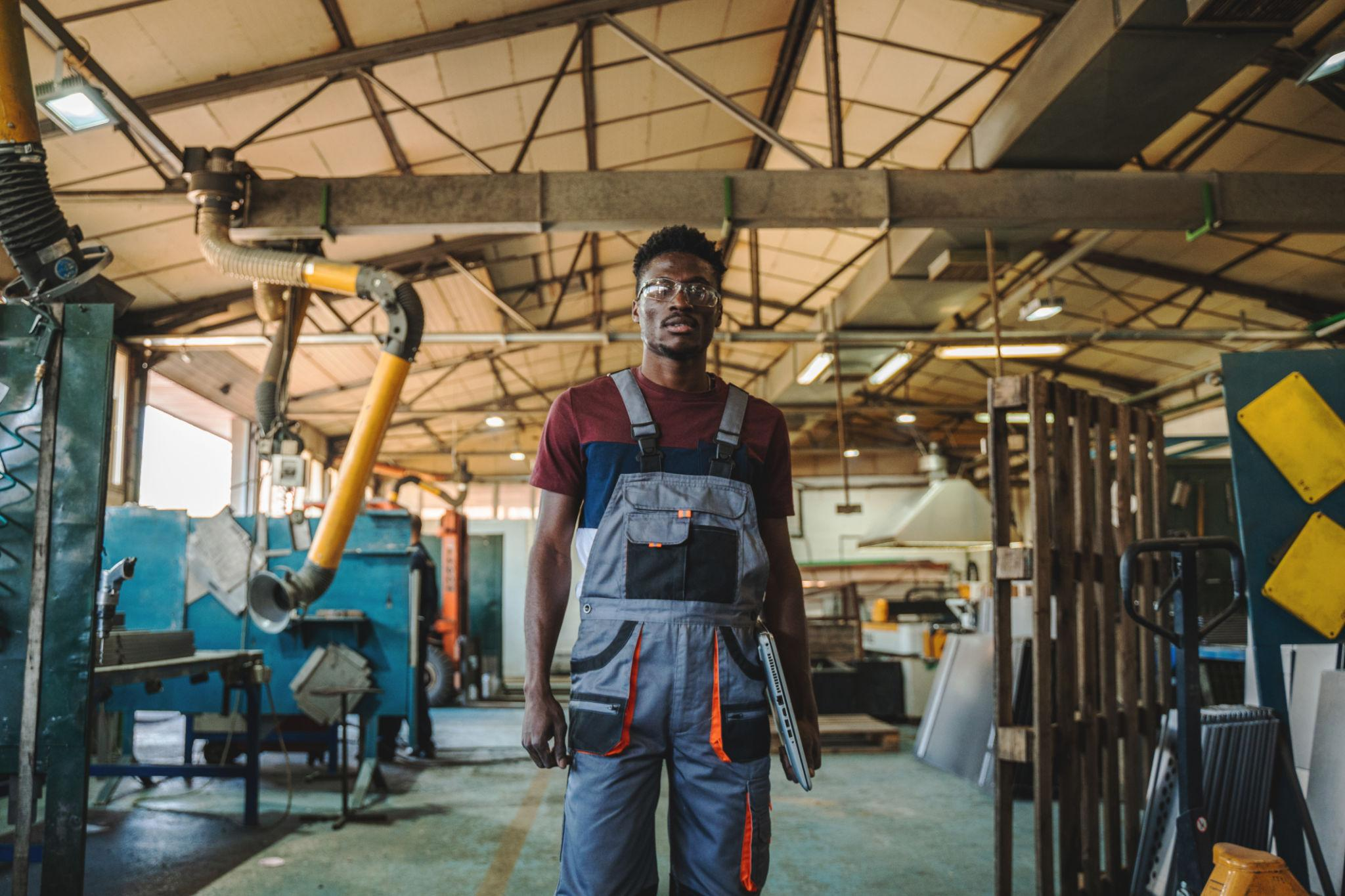
Poland has become one of Europe’s fastest-growing industrial and manufacturing economies. Over the past few years, many international companies have established factories, warehouses, logistics centers, and production facilities across the country.
Because of rapid industrial growth and labor shortages, many Polish employers now recruit foreign workers to help meet increasing production demands.
For Nigerians, Ghanaians, Kenyans, South Africans, and other Africans looking for legal work opportunities abroad, factory jobs in Poland can provide:
- Stable income
- International work experience
- Entry into the European labor market
- Legal employment opportunities
- Possibility of long-term career growth
One major advantage of factory jobs is that many positions do not require university degrees or advanced qualifications. Some employers even provide training for beginners.
In this complete guide, you will learn everything you need to know about factory jobs in Poland for foreigners in 2026, including:
- Types of factory jobs available
- Salary expectations
- Visa sponsorship opportunities
- Requirements
- Benefits
- How to apply
- Challenges to expect
- Tips to improve your chances of getting hired
If you are serious about finding legal employment opportunities in Europe, this guide will help you understand how factory jobs in Poland work and how to apply successfully.
Why Poland Needs Factory Workers
Poland’s economy has expanded rapidly over the last decade.
The country has become a major center for:
- Manufacturing
- Food production
- Warehousing
- Logistics
- Packaging
- Automotive production
- Electronics manufacturing
Factories across Poland often struggle to find enough local workers to fill available positions.
Several reasons contribute to this labor shortage:
- Economic growth
- Expansion of manufacturing industries
- Increasing exports
- Aging workforce
- Migration of local workers to other European countries
Because of these challenges, many companies recruit foreign workers to support production operations.
Poland has become one of Europe’s leading destinations for industrial and warehouse jobs.
What Do Factory Workers Do?
Factory workers help produce, package, organize, and transport products in manufacturing environments.
Depending on the industry, workers may perform tasks such as:
- Packaging products
- Operating machinery
- Sorting items
- Quality inspection
- Loading and unloading goods
- Food processing
- Warehouse support
- Production line work
Factory jobs can range from simple manual labor to more technical machine-operation roles.
Types of Factory Jobs Available in Poland
There are many different factory jobs available for foreigners.
Packaging Worker Jobs
Packaging workers help prepare products for shipment and distribution.
Responsibilities may include:
- Packing products into boxes
- Labeling items
- Sorting goods
- Preparing shipments
This is one of the most common entry-level factory jobs.
Machine Operator Jobs
Machine operators manage factory equipment used for production.
Tasks may include:
- Monitoring machines
- Operating production equipment
- Checking product quality
- Reporting equipment problems
Some employers provide machine operation training.
Food Processing Jobs
Food factories hire workers to assist with:
- Food preparation
- Packaging
- Sorting products
- Maintaining hygiene standards
Popular industries include:
- Meat processing
- Bakery production
- Beverage manufacturing
- Frozen foods
Warehouse and Logistics Jobs
Many factories also require warehouse workers.
Responsibilities may include:
- Organizing inventory
- Moving products
- Preparing shipments
- Scanning packages
Warehouse work is closely connected to manufacturing operations.
Automotive Factory Jobs
Poland has a strong automotive manufacturing industry.
Automotive workers may help produce:
- Vehicle parts
- Tires
- Electrical systems
- Car components
Factory Cleaner Jobs
Factories also hire cleaners to maintain safe and hygienic work environments.
Tasks may include:
- Cleaning workstations
- Removing waste
- Sanitizing production areas
Salary Expectations for Factory Jobs in Poland
Factory jobs in Poland generally provide stable income opportunities.
Average salary estimates include:
| Job Role | Estimated Salary |
|---|---|
| Packaging Worker | €1,500 – €2,500 monthly |
| Machine Operator | €2,000 – €3,500 monthly |
| Warehouse Worker | €1,800 – €3,000 monthly |
| Food Processing Worker | €1,700 – €2,800 monthly |
| Automotive Factory Worker | €2,000 – €4,000 monthly |
Some employers may also provide:
- Overtime pay
- Night shift allowances
- Accommodation support
- Transportation assistance
- Bonuses
Salary levels depend on:
- Experience
- Shift schedules
- Industry
- Employer
- Location
Can Foreigners Work Factory Jobs in Poland?
Yes.
Foreigners can legally work in Poland if they obtain the necessary work permits and employment authorization.
Many Polish employers actively recruit international workers because of labor shortages.
Foreign workers may require:
- Work permit
- Residence permit
- Employment contract
- Valid passport
Basic Requirements for Factory Jobs in Poland
One major reason factory jobs are attractive is that the requirements are often simpler than those of professional careers.
However, employers still expect certain qualities.
Physical Fitness
Factory work can involve:
- Standing for long hours
- Repetitive movements
- Lifting materials
- Shift work
Good physical condition is important.
Ability to Work in Teams
Factories rely heavily on teamwork.
Workers should be:
- Cooperative
- Reliable
- Respectful
- Hardworking
Basic Communication Skills
Many employers require basic communication abilities.
English may be accepted in some workplaces, though learning basic Polish can improve opportunities.
Attention to Detail
Factories prioritize product quality and safety.
Workers should follow instructions carefully and maintain production standards.
Flexibility for Shift Work
Many factories operate 24 hours a day.
Workers may need to work:
- Day shifts
- Night shifts
- Weekend schedules
Do You Need a University Degree?
No.
Most factory jobs in Poland do not require university degrees.
This makes them attractive for:
- Entry-level workers
- Semi-skilled workers
- Applicants without advanced education
However, technical skills and experience can improve salary opportunities.
Can Nigerians, Ghanaians, Kenyans, and South Africans Apply?
Yes.
Africans from countries such as:
- Nigeria
- Ghana
- Kenya
- South Africa
can apply for factory jobs if they meet the employer and immigration requirements.
Many international workers already work in Poland’s manufacturing and warehouse industries.
Documents Required
Before applying, prepare the following documents:
- International passport
- Updated CV/resume
- Passport photographs
- Educational certificates (if available)
- Work experience documents
- Reference letters
Some employers may request additional supporting documents.
How to Create a Good Factory Job CV
Your CV should clearly include:
- Personal information
- Work experience
- Physical labor experience
- Warehouse or factory skills
- Language abilities
- Contact information
Even if you lack factory experience, mention:
- Construction work
- Warehouse jobs
- Cleaning jobs
- Packaging experience
- Physical labor experience
Keep your CV professional and easy to read.
How to Apply for Factory Jobs in Poland
Applying becomes easier when you follow a structured process.
Step 1: Search for Verified Job Openings
Use trusted websites only.
Step 2: Prepare Your Documents
Ensure your:
- CV
- Passport
- Supporting documents
are properly organized.
Step 3: Submit Applications Online
Apply directly through verified employers and job platforms.
Avoid unofficial agents demanding large fees.
Step 4: Attend Interview
Some employers may conduct interviews online.
Questions may focus on:
- Work experience
- Physical fitness
- Availability
- Shift flexibility
Step 5: Receive Job Offer
Successful applicants may receive:
- Employment contracts
- Work permit guidance
- Relocation information
Poland Work Permit Process
Foreign workers outside the European Union generally require work permits.
The process usually involves:
- Valid job offer
- Work permit application
- Identity documents
- Employer sponsorship
Official information is available through Polish immigration authorities.
👉 Poland Work Permit Information
Accommodation in Poland
Some employers provide accommodation for foreign workers.
Others may help workers arrange:
- Shared apartments
- Staff housing
- Temporary accommodation
Accommodation costs vary depending on the city and region.
Weather Conditions in Poland
Poland experiences changing weather conditions throughout the year.
Workers may experience:
- Cold winters
- Snow
- Rain
- Warm summers
Workers should prepare for different seasonal conditions.
Benefits of Factory Jobs in Poland
Factory jobs offer several advantages for foreign workers.
Stable Income
Factory jobs provide regular wages and legal employment opportunities.
Entry Into Europe’s Labor Market
Many foreigners use factory jobs as a pathway into Europe.
Legal Work Opportunities
Workers employed legally receive labor protections under Polish law.
Career Growth Opportunities
Some workers later progress into:
- Machine operation
- Warehouse supervision
- Logistics management
- Technical production roles
Possible Long-Term Opportunities
Depending on immigration rules and employment history, some workers may later qualify for longer-term residency opportunities.
Challenges of Factory Jobs
Although factory jobs provide opportunities, workers should understand the realities of industrial work.
Shift Work
Many factories operate continuously.
Workers may perform:
- Night shifts
- Weekend work
- Overtime schedules
Repetitive Physical Tasks
Factory work may involve repetitive motions and physically demanding tasks.
Industrial Work Environments
Some factories may involve:
- Noise
- Heat
- Cold storage environments
- Fast-paced production lines
Language Barriers
Learning basic Polish may improve communication and long-term opportunities.
Common Job Scams to Avoid
Unfortunately, fake European job scams are common online.
Be cautious of:
- Fake recruiters
- Unofficial agents
- Jobs demanding large upfront payments
- Unrealistic salary promises
Always:
- Verify employers carefully
- Use official platforms
- Confirm immigration rules independently
Never send money to unknown recruiters promising guaranteed jobs.
Tips to Increase Your Chances of Getting Hired
Here are practical ways to improve your opportunities.
Gain Physical Work Experience
Experience in:
- Warehousing
- Construction
- Packaging
- Cleaning
- Logistics
can strengthen your application.
Improve Communication Skills
Basic English or Polish communication helps greatly in factory environments.
Be Flexible With Shift Work
Employers prefer workers who can adapt to different schedules.
Prepare Professional Documents
A clean and organized CV improves first impressions.
Apply Consistently
Submit applications to multiple verified employers.
Why Many Africans Prefer Factory Jobs in Poland
Many Africans choose factory jobs because they:
- Require fewer qualifications
- Offer legal work opportunities
- Provide a stable income
- Create pathways into Europe
Poland has become increasingly popular among international workers because of its growing industrial economy.
Is the Demand for Factory Workers Still High in Poland?
Yes.
Demand remains strong because of:
- Industrial expansion
- Manufacturing growth
- Warehouse development
- Labor shortages
Factories continue recruiting workers in sectors such as:
- Food production
- Logistics
- Automotive manufacturing
- Packaging
Best Cities for Factory Jobs in Poland
Popular industrial regions include:
- Warsaw
- Kraków
- Wrocław
- Poznań
- Łódź
Industrial zones often have more factory and warehouse opportunities.
Can Factory Jobs Lead to Permanent Residency?
Possibly.
Some workers who maintain legal employment and residency may later qualify for longer-term immigration pathways depending on Polish immigration laws.
Always verify current immigration rules through official government sources.
Final Thoughts
Factory jobs in Poland for foreigners remain one of the most accessible employment opportunities for Africans seeking legal work in Europe.
Although factory work can be physically demanding and involve shift schedules, it offers:
- Stable income
- International work experience
- Legal employment pathways
- Opportunity to build a future abroad
For Nigerians, Ghanaians, Kenyans, South Africans, and other Africans seeking realistic job opportunities overseas, Poland’s growing manufacturing sector can be an excellent starting point.
The key to success is preparation.
Improve your communication skills, prepare professional documents, apply consistently through verified platforms, and avoid scams.
Your journey toward working legally in Europe could begin with one successful factory job application.
Frequently Asked Questions
Can foreigners apply for factory jobs in Poland?
Yes. Foreigners can apply if they meet the employer and immigration requirements.
Do I need a university degree?
No. Most factory jobs do not require degrees.
Is English enough?
Basic English may be accepted, though learning Polish can improve opportunities.
Can Nigerians apply?
Yes. Nigerians and other Africans can apply for eligible factory jobs.
Where can I apply officially?
Use verified platforms such as:
Official immigration information is available through the Polish government.
👉 Poland Government Immigration Information
Other recommended platforms include:
Official information is available through Polish immigration authorities.
👉 Poland Work Permit Information