
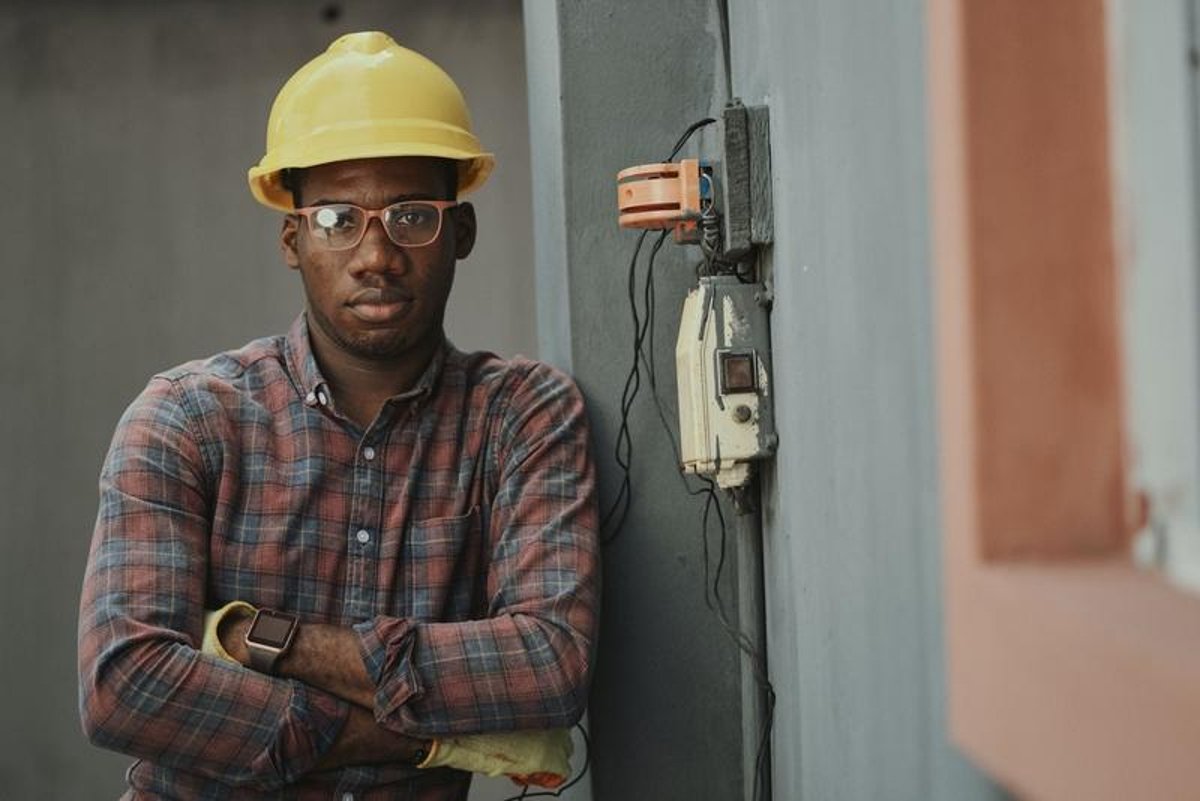
Sweden has become one of the most attractive countries in Europe for foreigners seeking stable and well-paying job opportunities abroad. With ongoing infrastructure projects, housing developments, commercial construction, and urban expansion, the Swedish construction industry continues to experience strong demand for workers.
Because of labor shortages in several skilled and semi-skilled trades, many Swedish companies are increasingly open to hiring foreign workers.
For Nigerians, Ghanaians, Kenyans, South Africans, and other Africans looking for legal employment opportunities in Europe, construction jobs in Sweden can provide:
- Stable income
- International work experience
- Career growth opportunities
- High living standards
- Legal work pathways
One of the biggest advantages of construction jobs is that many positions are accessible even without university degrees. Skilled workers can earn very competitive salaries, while general laborers can also find opportunities in Sweden’s growing construction sector.
In this complete guide, you will learn everything you need to know about construction jobs in Sweden for foreigners in 2026, including:
- Types of construction jobs available
- Salary expectations
- Visa sponsorship opportunities
- Requirements
- Benefits
- How to apply
- Challenges to expect
- Tips to improve your chances of getting hired
If you are serious about working legally in Europe, this guide will help you understand how the Swedish construction industry works and how to apply successfully.
Why Sweden Needs Construction Workers
Sweden continues to invest heavily in:
- Housing development
- Transportation infrastructure
- Commercial buildings
- Renewable energy projects
- Public facilities
The country faces labor shortages in several construction-related professions because:
- Many experienced workers are retiring
- Urban development is increasing
- Population growth requires more housing
- Infrastructure modernization continues
As a result, construction companies are actively seeking workers across different trades and skill levels.
Sweden’s labor market continues to identify construction as one of the sectors facing workforce shortages.
What Do Construction Workers Do?
Construction workers help build, repair, and maintain structures such as:
- Houses
- Apartments
- Roads
- Offices
- Bridges
- Schools
- Shopping centers
Depending on the role, construction workers may:
- Lift materials
- Operate equipment
- Install systems
- Perform repairs
- Follow construction plans
- Maintain safety standards
Construction work can be physically demanding but often provides strong salaries and long-term career opportunities.
Types of Construction Jobs Available in Sweden
There are many different construction jobs available for foreigners.
General Construction Laborer
General laborers assist with:
- Carrying materials
- Site cleaning
- Basic construction support
- Loading and unloading equipment
This is one of the most accessible entry-level construction jobs.
Carpenter Jobs
Carpenters build and install:
- Wooden structures
- Doors
- Furniture
- Roofing systems
- Flooring
Carpentry is one of the most in-demand skilled trades in Sweden.
Electrician Jobs
Electricians install and maintain:
- Electrical wiring
- Power systems
- Lighting systems
- Industrial electrical equipment
Some electrician roles may require certifications or licensing.
Plumber Jobs
Plumbers work on:
- Water systems
- Drainage systems
- Pipe installations
- Heating systems
Experienced plumbers are highly valued in Sweden.
Bricklayer Jobs
Bricklayers help construct:
- Walls
- Buildings
- Concrete structures
This work often involves physical labor and outdoor construction.
Heavy Equipment Operator Jobs
Equipment operators use machinery such as:
- Excavators
- Bulldozers
- Cranes
- Forklifts
Special training may be required.
Construction Cleaner Jobs
Construction cleaners help maintain clean and safe construction environments.
Tasks may include:
- Removing debris
- Cleaning work areas
- Organizing materials
Salary Expectations for Construction Jobs in Sweden
Construction jobs in Sweden generally offer higher salaries than in many other countries.
Average salary estimates include:
| Job Role | Estimated Salary |
|---|---|
| General Laborer | €2,500 – €3,500 monthly |
| Carpenter | €3,000 – €5,000 monthly |
| Electrician | €3,500 – €6,000 monthly |
| Plumber | €3,500 – €5,500 monthly |
| Heavy Equipment Operator | €3,000 – €5,000 monthly |
Some workers may also receive:
- Overtime pay
- Holiday pay
- Bonuses
- Safety allowances
The exact salary depends on:
- Experience
- Skill level
- Employer
- Region
- Working hours
Can Foreigners Work Construction Jobs in Sweden?
Yes.
Foreigners can legally work in Sweden if they obtain the necessary work permits and employment authorization.
Many employers are open to hiring foreign workers, especially in industries facing labor shortages.
Foreign workers may require:
- Work permit
- Residence permit
- Job offer
- Employment contract
Official Swedish migration information is available through the Swedish Migration Agency.
👉 Swedish Migration Agency
Basic Requirements for Construction Jobs in Sweden
The exact requirements vary depending on the employer and position.
However, most employers expect certain qualities.
Physical Fitness
Construction work can be physically demanding.
Workers may:
- Lift heavy materials
- Stand for long hours
- Operate machinery
- Work outdoors
Good physical condition is extremely important.
Basic English Communication Skills
Many Swedish companies use English in international workplaces.
Workers should understand:
- Safety instructions
- Basic workplace communication
- Construction procedures
Learning basic Swedish may improve long-term opportunities.
Construction Experience
Experience in:
- Building work
- Carpentry
- Plumbing
- Electrical work
- General labor
can significantly improve employability.
Safety Awareness
Construction sites prioritize worker safety.
Workers should understand:
- Protective equipment usage
- Safety procedures
- Hazard awareness
Technical Certifications (For Skilled Jobs)
Some skilled positions may require certifications or licensing.
This is especially important for:
- Electricians
- Heavy equipment operators
- Specialized trades
Do You Need a University Degree?
No.
Most construction jobs do not require university degrees.
This makes the industry attractive for:
- Skilled workers
- Semi-skilled workers
- Entry-level laborers
However, technical certifications and experience can significantly improve opportunities.
Can Nigerians, Ghanaians, Kenyans, and South Africans Apply?
Yes.
Africans from countries such as:
- Nigeria
- Ghana
- Kenya
- South Africa
can apply for construction jobs if they meet the employer and immigration requirements.
Many international workers already work in Europe’s construction sector.
Documents Required
Before applying, prepare the following documents:
- International passport
- Updated CV/resume
- Passport photographs
- Educational certificates
- Trade certifications (if available)
- Work experience documents
- Reference letters
Some employers may request additional supporting documents.
How to Create a Good Construction CV
Your CV should clearly include:
- Personal information
- Construction experience
- Trade skills
- Certifications
- Equipment operation skills
- Language abilities
Even if you lack formal certifications, mention practical experience.
Keep the CV simple, professional, and easy to read.
How to Apply for Construction Jobs in Sweden
Applying becomes easier when you follow a structured process.
Step 1: Search for Verified Job Openings
Use trusted job websites only.
Recommended platforms include:
Step 2: Prepare Your Documents
Ensure your:
- CV
- Passport
- Certifications
- Supporting documents
are properly organized.
Step 3: Submit Applications Online
Apply directly through verified employers and job platforms.
Avoid unofficial agents demanding large payments.
Step 4: Attend Interview
Some employers may conduct interviews online.
Questions may focus on:
- Construction experience
- Safety knowledge
- Physical fitness
- Technical skills
Step 5: Receive Job Offer
Successful applicants may receive:
- Employment contracts
- Work permit guidance
- Relocation support
Sweden Work Permit Process
Foreign workers outside the European Union generally require work permits.
The process usually involves:
- Valid job offer
- Work permit application
- Identity documents
- Employer sponsorship
Accommodation in Sweden
Some employers may assist workers with accommodation.
Others may help workers find:
- Shared apartments
- Worker housing
- Temporary accommodation
Accommodation costs vary by city.
Stockholm and larger cities generally have a higher cost of living.
Weather Conditions in Sweden
Sweden experiences cold winters and changing weather conditions.
Workers should prepare for:
- Snow
- Rain
- Cold temperatures
- Outdoor working conditions
Proper work clothing and safety equipment are important.
Benefits of Construction Jobs in Sweden
Construction jobs offer several advantages for foreign workers.
Strong Salaries
Construction workers in Sweden often earn competitive wages.
Legal Work Opportunities in Europe
Construction jobs provide legal pathways into Europe’s labor market.
Strong Worker Protections
Sweden has strong labor laws protecting employees.
Workers generally receive:
- Fair wages
- Paid holidays
- Safe working conditions
Career Growth Opportunities
Workers may later progress into:
- Supervisory roles
- Specialized trades
- Construction management
- Equipment operation careers
Possible Long-Term Opportunities
Some workers may later qualify for longer-term residency pathways depending on immigration laws and work history.
Challenges of Construction Jobs
Although construction jobs provide opportunities, workers should understand the realities of the industry.
Physically Demanding Work
Construction work often involves:
- Heavy lifting
- Long-standing hours
- Outdoor labor
Cold Weather Conditions
Sweden’s climate may be difficult for workers unfamiliar with Nordic weather.
Long Working Hours
Some projects may require overtime and extended schedules.
Safety Risks
Construction sites can be dangerous if safety procedures are ignored.
Workers must follow all safety regulations carefully.
Common Job Scams to Avoid
Unfortunately, fake European job scams are common online.
Be cautious of:
- Fake recruiters
- Unofficial visa agents
- Jobs demanding large upfront payments
- Unrealistic salary promises
Always:
- Verify employers carefully
- Use official job platforms
- Confirm immigration rules independently
Never send money to unknown recruiters promising guaranteed jobs.
Tips to Increase Your Chances of Getting Hired
Here are practical ways to improve your opportunities.
Gain Construction Experience
Experience in:
- Carpentry
- Bricklaying
- Plumbing
- Electrical work
- General labor
can improve employability significantly.
Learn Basic Swedish Phrases
Although English may be accepted, learning basic Swedish helps workplace integration.
Improve Safety Knowledge
Construction employers prioritize workers who understand safety procedures.
Obtain Certifications
Trade certifications can increase job opportunities and salaries.
Apply Consistently
Submit applications to multiple verified employers.
Why Many Africans Prefer Construction Jobs Abroad
Many Africans choose construction jobs because they:
- Offer good salaries
- Require practical skills
- Provide legal work opportunities
- Create international career opportunities
Construction remains one of the largest industries globally.
Is the Demand for Construction Workers Still High in Sweden?
Yes.
Demand remains strong because of:
- Housing projects
- Infrastructure expansion
- Labor shortages
- Urban development
Sweden continues investing heavily in construction and modernization projects.
Best Cities for Construction Jobs in Sweden
Popular construction regions include:
- Stockholm
- Gothenburg
- Malmö
- Uppsala
- Västerås
Large cities often have more ongoing construction projects.
Can Construction Jobs Lead to Permanent Residency?
Possibly.
Some workers who maintain legal employment and residency may later qualify for longer-term immigration pathways depending on Swedish immigration laws.
Always verify immigration rules through official government sources.
Final Thoughts
Construction jobs in Sweden for foreigners remain one of the best opportunities for Africans seeking legal employment in Europe.
Although the work can be physically demanding and weather conditions challenging, it offers:
- Strong salaries
- International work experience
- Legal work pathways
- Career growth opportunities
For Nigerians, Ghanaians, Kenyans, South Africans, and other Africans seeking realistic employment opportunities abroad, Sweden’s construction industry can offer an excellent pathway into Europe’s labor market.
The key to success is preparation.
Improve your skills, prepare professional documents, apply consistently through verified platforms, and avoid scams.
Your journey toward working legally in Sweden could begin with one successful construction job application.
Frequently Asked Questions
Can foreigners apply for construction jobs in Sweden?
Yes. Foreigners can apply if they meet the employer and immigration requirements.
Do I need a university degree?
No. Most construction jobs do not require degrees.
Is English enough?
Basic English is often accepted, though learning Swedish helps long-term opportunities.
Can Nigerians apply?
Yes. Nigerians and other Africans can apply for eligible jobs.
Where can I apply officially?
Use verified platforms such as:
Official permit information is available through Swedish immigration authorities.
👉 Sweden Work Permit Information